Postcard Towns: Walking the Nakasendo from Magome to Tsumago
7 min read
The Nakasendo was the mountain road between Edo and Kyoto, lined with post towns where travelers changed horses, ate, and slept. Most of it is now highway, but one stretch survived: the eight kilometers between Magome and Tsumago, where the Edo period still feels ten minutes ago. I walked it on a humid August morning, and it turned out to be the easiest hard walk of my whole trip.
Why You Start in Magome
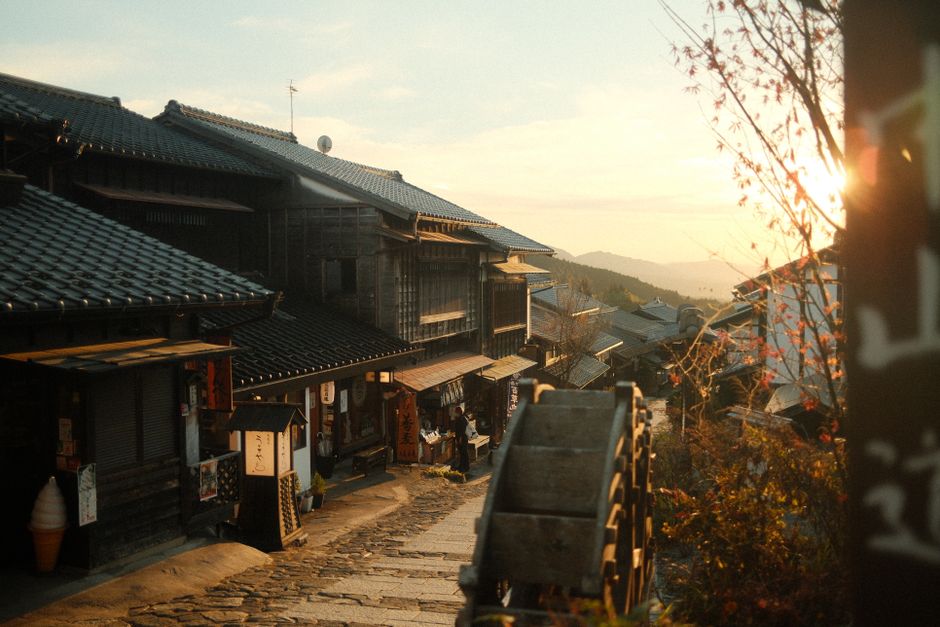
The classic advice is to start in Magome, because the route saves its steepest climbing for the very beginning: you leave town heading uphill to Magome Pass, then descend almost all the way to Tsumago. Getting there is straightforward — a bus from Nakatsugawa Station, about 25 minutes on the JR Chuo line from Nagoya. Magome itself is built on a hill, which means its main street is effectively a staircase of worn stone, lined with wooden shopfronts, water wheels, and the old house of the novelist Shimazaki Tōson, who was born here.
Cedar Forest, a Pass, and Two Waterfalls
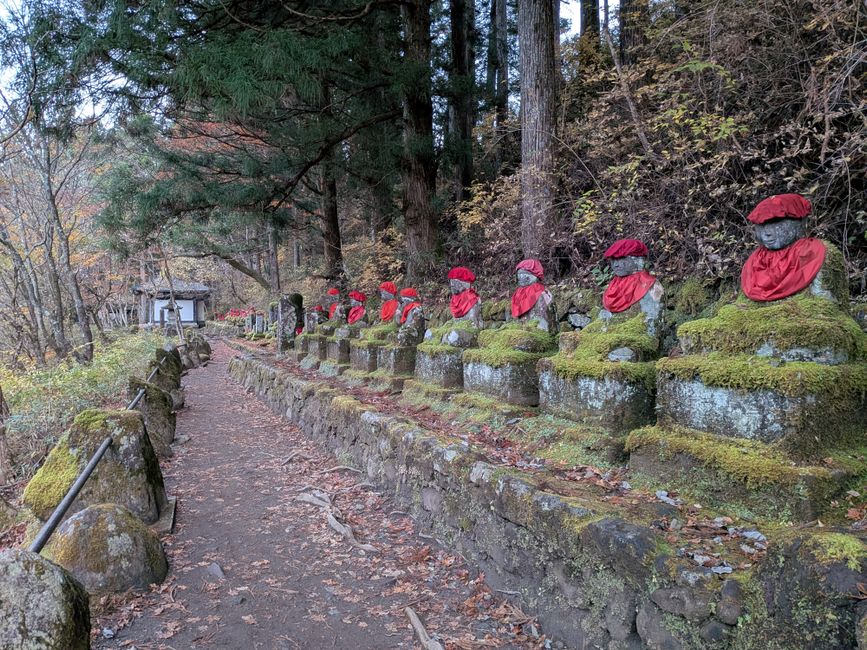
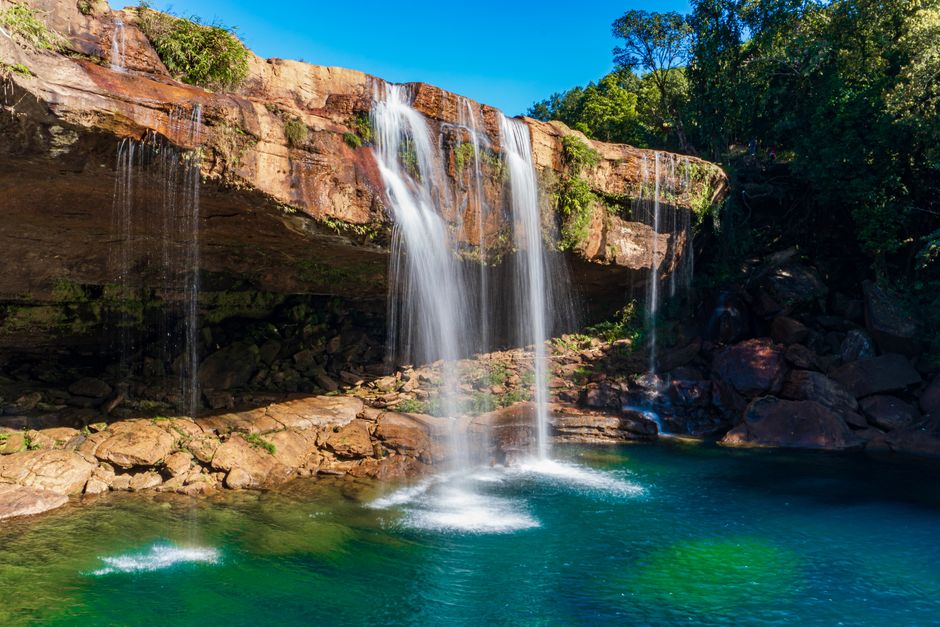
The first hour climbs steadily through cedar and cypress forest on a well-marked path with bilingual signs, past the Magome Pass rest hut with its cups of hot amazake. From there it is mostly downhill. A short side path leads to Odaki and Medaki, a pair of waterfalls that pour into a single pool; the sound of them carries across the valley before you see them. Tea houses along the descent sell goheimochi — grilled rice cakes basted with miso, a local specialty of the Kiso region — and I can confirm they are the correct reward at the halfway point.

Tsumago: The Town That Chose Its Past
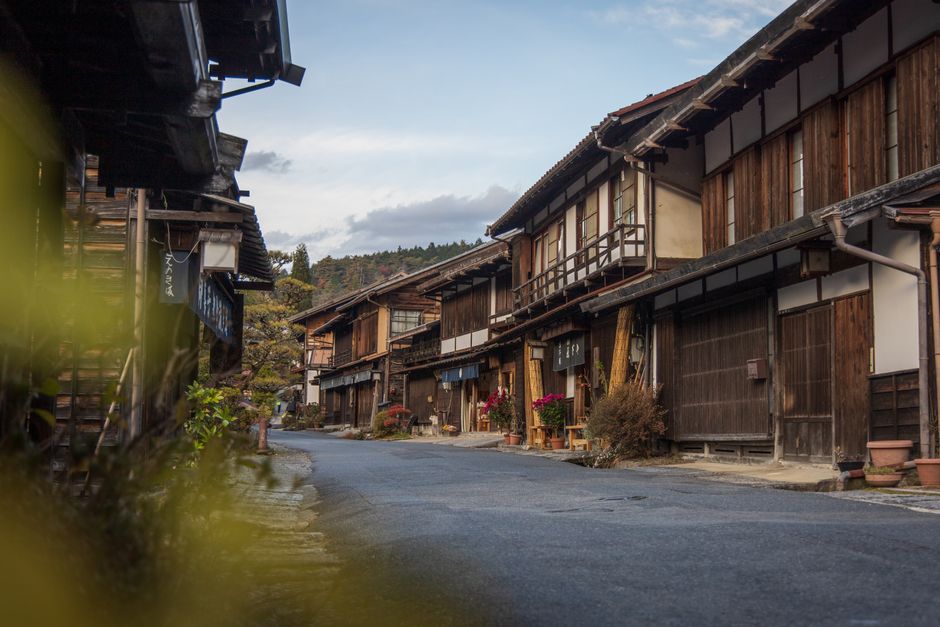
Tsumago is the better preserved of the two, and not by accident: in the 1960s the residents voted to restore the town and passed a rule of no selling, no renting, and no demolishing the old buildings. Cars are banned from the main street during the day, so the only traffic is foot traffic. I checked into a small minshuku with a hot bath, ate dinner while the last day-trippers left, and watched the paper lanterns come on along the empty street.
Practical Notes
Give yourself three to four and a half hours, not counting lunch. Wear grippy shoes — some stone steps are worn smooth by three centuries of feet. If you are carrying a real bag, forward it from the Magome tourist office to Nagiso Station; it costs almost nothing and arrives the same day. If you do not want to stay overnight, buses connect Tsumago to Nagiso until early evening. Some trips end with a view; this one ended with a quiet street, a paper lantern, and the feeling that the past is not gone — it is just walking slower than we do.