Seven Baths Before Bed: A Day in Kinosaki Onsen
6 min read
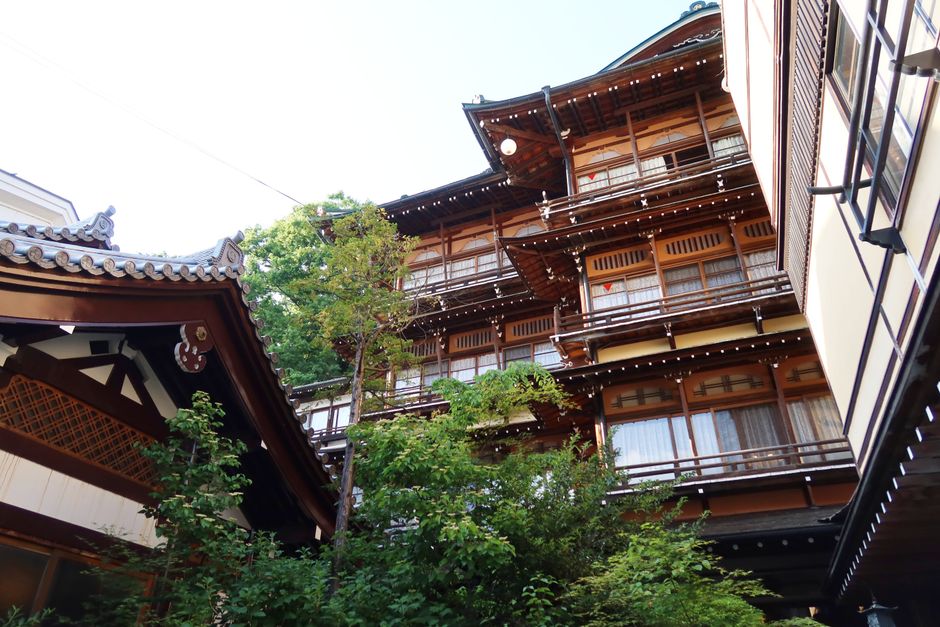
I spent a day in Kinosaki Onsen doing almost nothing, and it was the best day of the trip. The town is tiny — one willow-lined canal, a dozen ryokan, and seven public baths — and its genius is that it turns getting clean into a walking tour. By noon I had changed into a yukata and wooden geta, and the only thing on my schedule was the next bath.
The Dress Code Is the Itinerary
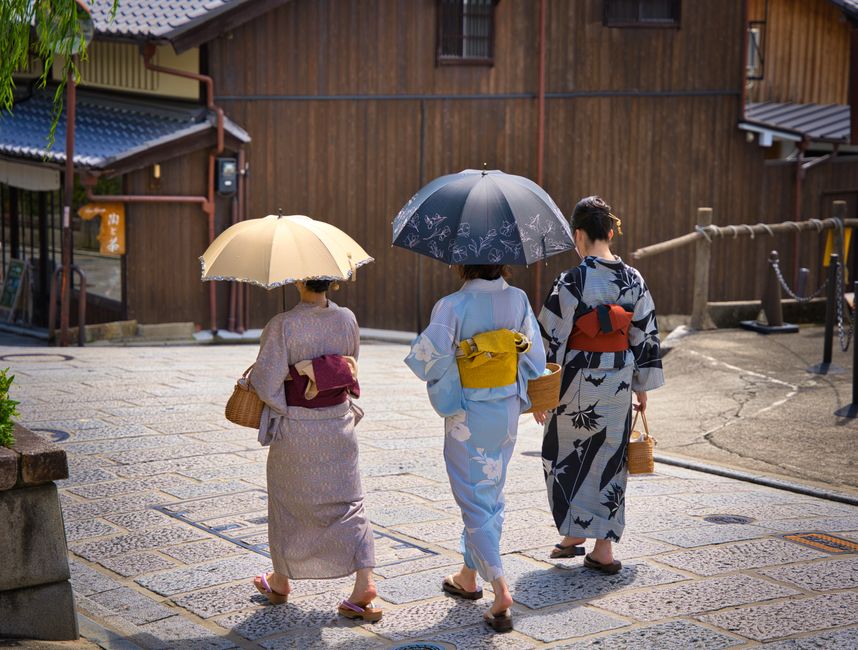
Every ryokan in Kinosaki hands out yukata and geta, and the town is designed so you never change back. You shuffle across the bridge in your bathrobe, bath caddy in one hand, and nobody looks twice — that is the entire point. A one-day pass (about ¥1,500) covers all seven baths, and you can buy it at the tourist office or at any of the baths themselves. The springs have been in use for roughly 1,300 years, and locals will happily argue about which bath is best at which hour, as if the town ran on bath-weather rather than weather.
Ichino-yu and the Open-Air Baths
Each of the seven baths has its own character. Ichino-yu, the oldest, feels like a cave: low stone ceilings, thick steam, and a pool you enter through a narrow opening. Mandara-yu is the opposite — an open-air bath right beside the river, where you sit in water hot enough to redden your skin while watching the current slide past a foot away. Between baths I bought onsen tamago, eggs slow-cooked in the spring water until the yolk is custard, and drank cold milk from a vending machine, which is the traditional after-bath ritual and, I can confirm, exactly right.
The Night Walk That Sells the Town
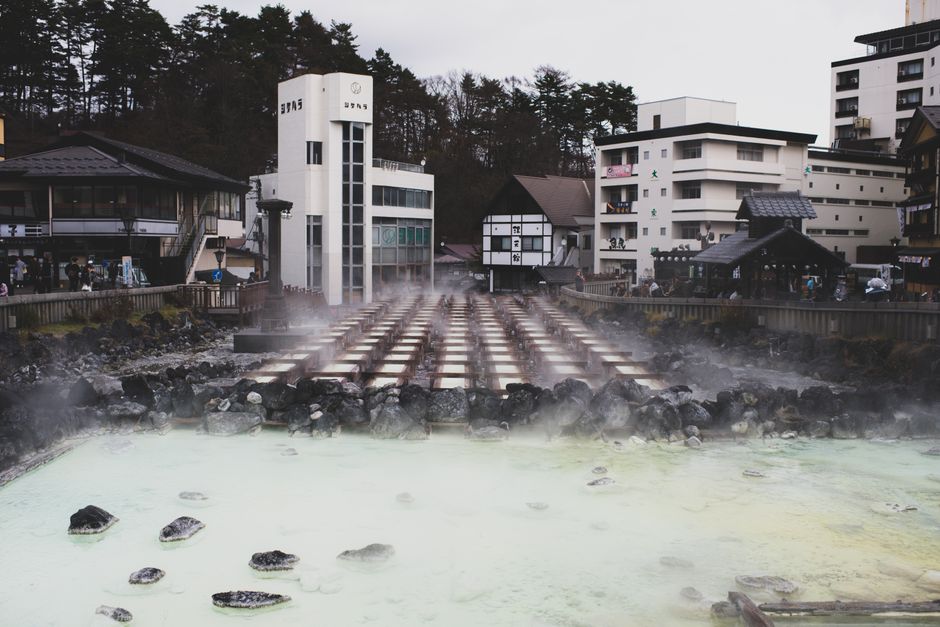
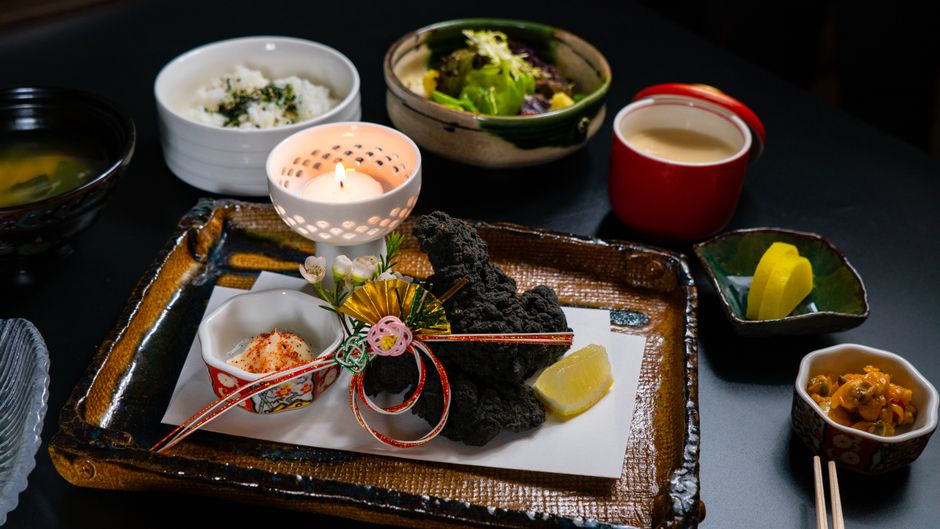
After a kaiseki dinner in the ryokan — seven small courses built around local seafood and mountain vegetables — I put the yukata back on and joined the lantern-lit walk along the canal. This is the famous part, and it deserves the reputation: strings of paper lanterns reflected in the water, wooden bridges every hundred meters, and steam rising from the river where the baths drain. Every person on the street is wearing a bathrobe, and nobody finds it strange, because the town has decided that comfort is the dress code.
Practical Notes
The town runs on snow crab in winter, which means summer is the quiet season — cheaper rooms and emptier baths, at the cost of the famous crab. The ropeway up Mount Daishi gives a sunset view over the Sea of Japan if you can drag yourself out of the water. Trains from Kyoto take about two and a half hours with one change. My advice: take the earliest train, check in, and save at least one bath for after dinner. The night is genuinely half the reason to come.