The Tide, the Deer, and the Floating Torii: One Day on Miyajima
7 min read
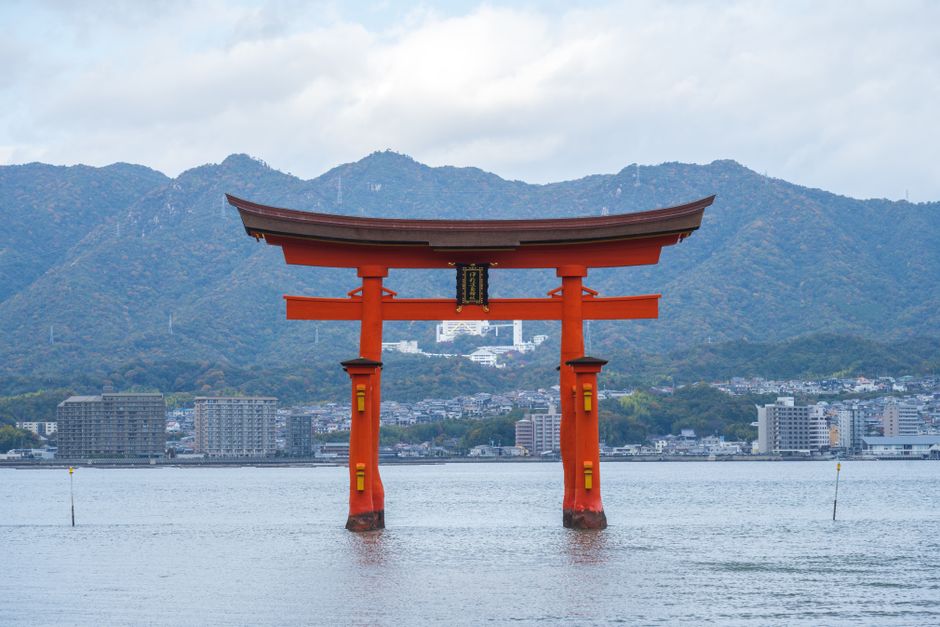
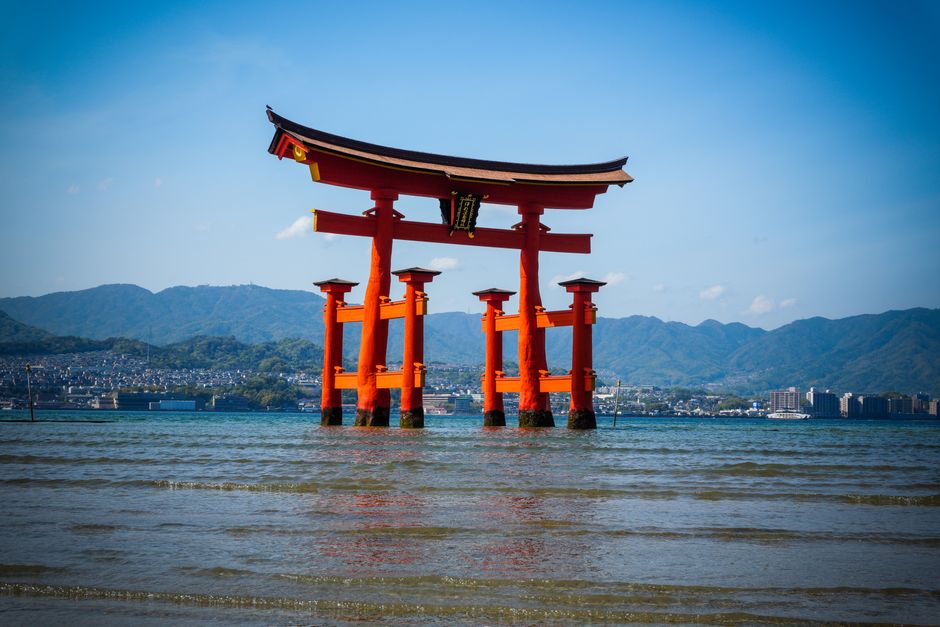
The photograph everyone has seen — the great red torii floating on a mirror of water — only exists twice a day. Most visitors arrive at midday, find the gate standing in mud, and leave thinking Miyajima was overrated. I timed my day to the tide instead, and the island gave me both versions of itself: the floating shrine at high water, and the empty sandbar at low.
Timing the Tide, Not the Crowds
From Hiroshima, a short train to Miyajimaguchi and a ten-minute ferry get you to the island. The ferry terminal posts the day's high and low tide times — take a photo of the board. Itsukushima Shrine, founded in the sixth century and rebuilt in its current form in 1168, was built over the water so that the island itself would remain sacred. At high tide the shrine's corridors genuinely appear to float, and the torii, which stands sixteen meters tall, sits in deep water with the whole island behind it.
Deer, Momiji Manju, and the Approach
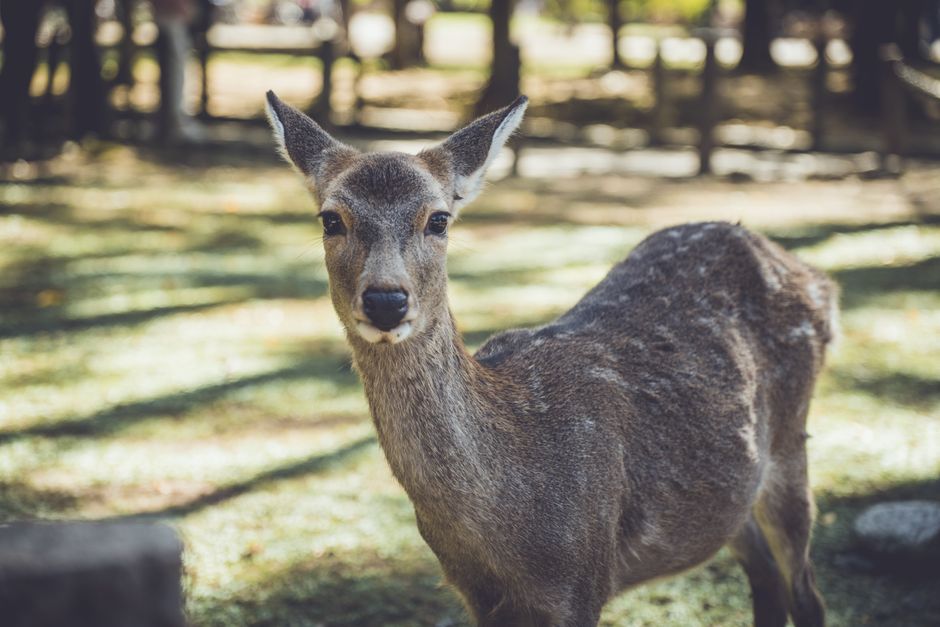
The approach street between the ferry and the shrine is a festival of edible things: grilled oysters in winter, maple-leaf-shaped momiji manju all year, and enough soft-serve to build a second torii. The island's deer have learned to bow for food, which sounds charming until one tries to eat your ferry ticket — my friend's, not mine — so keep tickets in a pocket and snacks out of reach. The deer are everywhere, and after the first ten minutes you stop photographing them, which is a shame because the eleventh one is usually the best.
Up Mount Misen for the Sunset
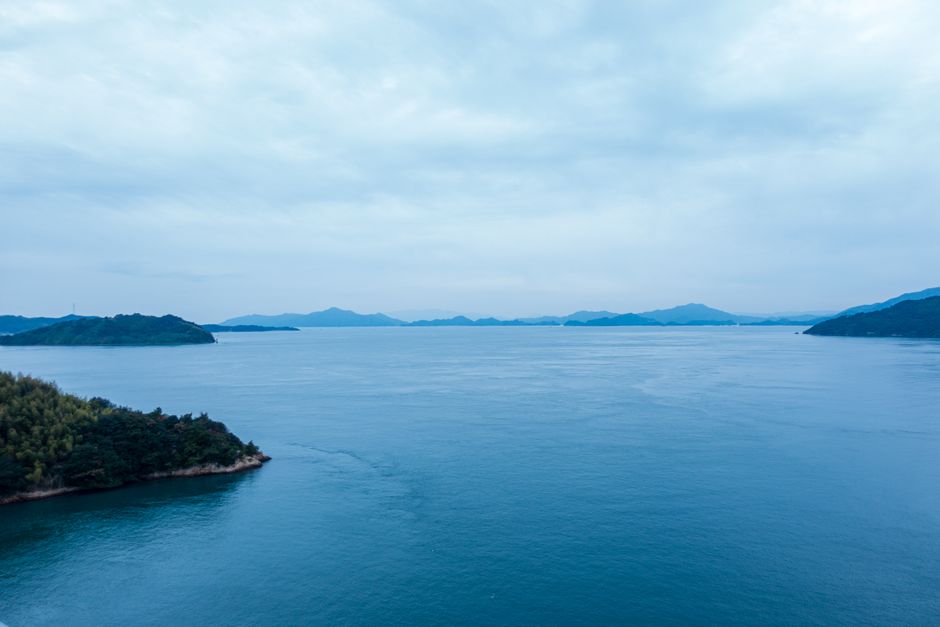
The ropeway from Momijidani climbs in two stages, and a twenty-minute forest walk tops out on Mount Misen, the island's sacred peak. From the summit you look across the Seto Inland Sea at a scatter of islands that stretches to the horizon — the same view pilgrims have climbed for over a thousand years. On the way down, Daisho-in temple hides a mossy courtyard with hundreds of small stone statues, each in a different pose, and I probably spent as long there as I did on the mountain.
Staying for the Empty Island
At five o'clock the day-trippers queue for the last ferries and the island exhales. The shrine's corridors light up, the deer reclaim the main street, and the ryokan dinners begin. I stayed one night, and the next morning I walked out across the exposed sand to touch the base of the torii at low tide — barnacles, seaweed, and all. That is the version of Miyajima the photographs cannot capture, and it is the one I would cross the country for again.