A Night with the Monks: Temple Lodging on Mount Kōya
7 min read
Every guidebook told me the same thing about Mount Kōya: don't day-trip it, stay overnight. I nearly ignored them because the math looked bad — a train, a cable car, a bus, one night, done. I am glad I didn't, because the night is the whole point. Kōya-san is not a temple you visit; it is a town of temples you sleep inside.
The Cable Car to Another Century
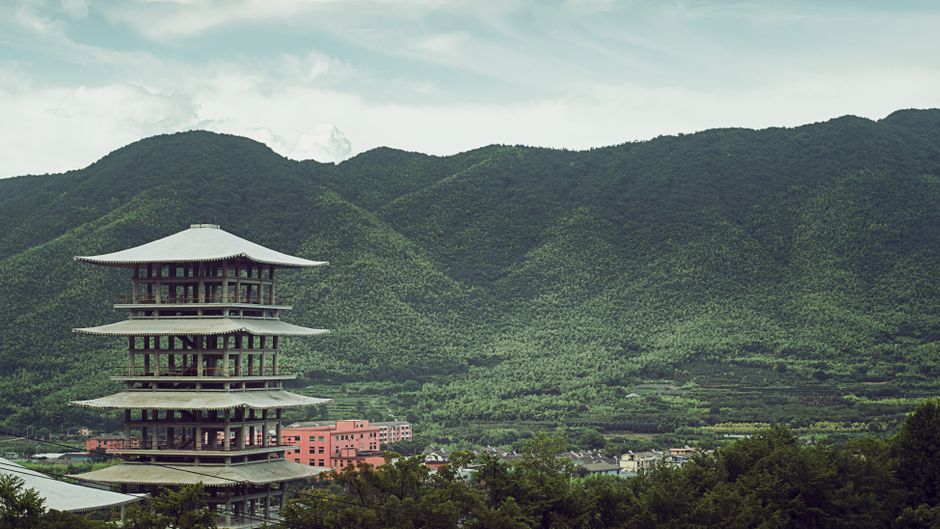
The journey itself is the first act. From Namba, the Nankai line runs south to Gokurakubashi, where a steep cable car climbs the mountain, and a bus then carries you along the town's single main avenue. Kōkai, the monk who founded this monastic complex in 816, chose a basin ringed by eight peaks — it feels less like a mountaintop than a hidden valley, cooler than Osaka by a good eight degrees. Arrive by mid-afternoon: temple gates close early, and you want time to wander before the streets empty.
Shōjin Ryori: Dinner Without a Single Sacrifice
My room at the shukubo, a temple that has hosted pilgrims for centuries, was a tatami room with a scroll and a painted screen. While I ate, the staff slid futons across the floor — a small ritual that still delights me. Dinner was shōjin ryori, the Buddhist vegetarian cuisine that avoids meat, fish, and the pungent roots like garlic and onion. It should feel austere. Instead it felt like a feast: seven courses of sesame tofu, mountain vegetables, mushrooms, and a broth so clear it barely cast a shadow, each bowl lacquered and set out like an exhibit.

Evening Prayers and the Eternal Monk
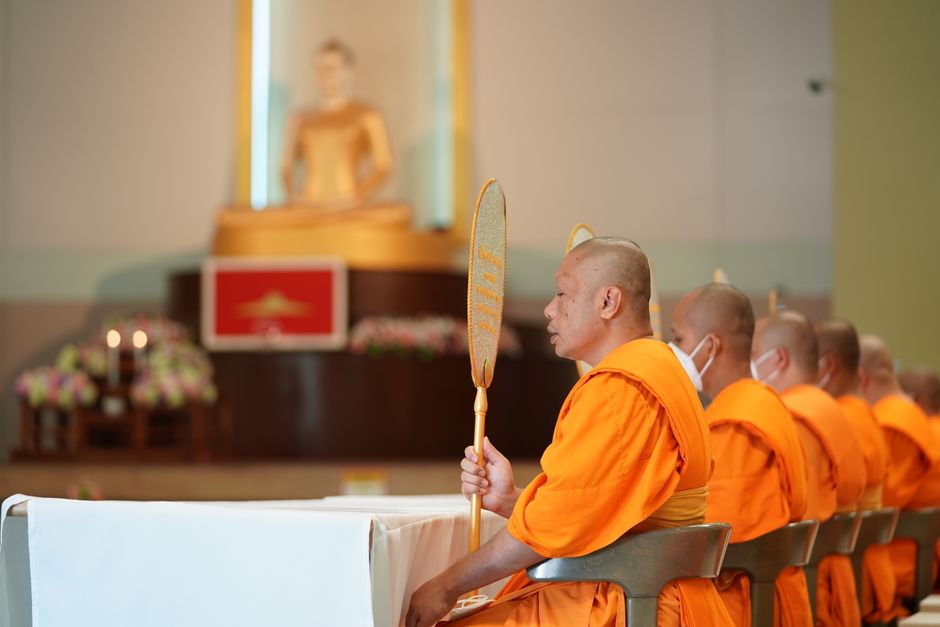
At half past five, a bell called everyone to the main hall. The monk chanted sutras while we knelt on cushions, the rhythm of the wooden mokugyo drum marking each line. He explained the belief behind the town: Kūkai is said to still be in eternal meditation at Okunoin, the great cemetery at the far end of the valley, and his meals are still carried there twice a day. Whether you take that literally or not, it changes the way you walk the mountain.
Okunoin at Dawn
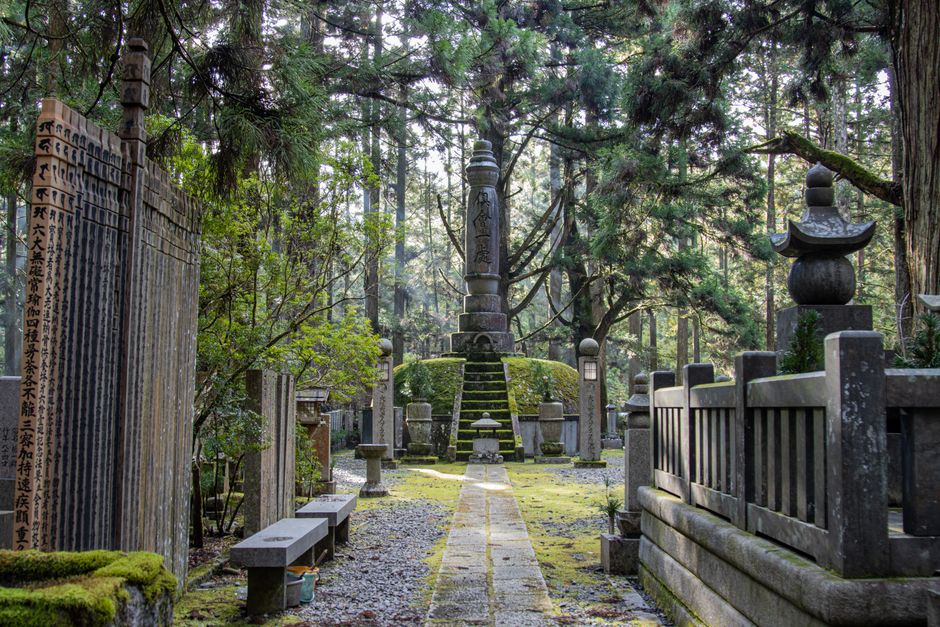
I set out at six the next morning. Okunoin is the largest cemetery in Japan, a two-kilometer path of mossy tombstones under cedars so old they shut out the sky. Companies and daimyo keep memorial stones here — one belongs to a soft-drink maker, which always surprises people — and pilgrims pour water over the stone statues to ease the thirst of the dead. At the end, the lantern hall holds two lamps said to have burned for nine centuries. Standing in front of them, in the cold and the quiet, I finally understood why people make this trip.
What I'd Tell Myself
Book two to three weeks ahead in spring and autumn, and ask for a room facing the garden. Dinner is at 17:30 and quiet hours start early, which is the point. The morning service begins around six — go, even if you are tired. Pack layers; the mountain is noticeably colder than the city. And leave time to collect a goshuin stamp at the temple office. The train, the cable car, the bus, the temple — by the time I rode back down, I agreed with every guidebook I had ignored.